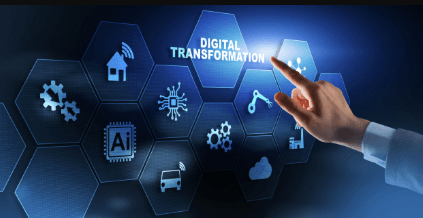
Digital transformation has become an essential strategy for businesses in today’s fast-paced, technology-driven world. It involves integrating digital technologies into all areas of a business, fundamentally changing how organizations operate and deliver value to customers. Digital transformation is more than just adopting new tools; it requires a cultural shift, encouraging businesses to rethink processes, embrace innovation, and improve efficiency.
Companies that prioritize digital transformation are better positioned to respond to market changes, enhance customer experiences, and achieve long-term growth. Organizations that fail to adapt risk falling behind competitors and losing relevance in increasingly digital marketplaces.
Understanding Digital Transformation
Digital transformation encompasses the use of technologies such as cloud computing, artificial intelligence, big data analytics, and automation to improve business operations. It enables companies to streamline processes, reduce costs, and enhance decision-making.
At its core, digital transformation is about using technology to create value for customers and improve business outcomes. It involves analyzing existing processes, identifying areas for improvement, and adopting tools that enable efficiency and innovation.
Enhancing Operational Efficiency
One of the primary benefits of digital transformation is improved operational efficiency. By automating routine tasks, businesses can reduce manual effort, minimize errors, and accelerate workflows.
For example, administrative processes that traditionally relied on paperwork can now be digitized. Services that require official verification, such as providing a certified true copy, can be processed quickly and securely through digital platforms. This not only saves time but also improves accuracy and customer satisfaction.
Efficiency gains extend across departments, allowing employees to focus on higher-value tasks that drive growth and innovation.
Improving Customer Experience
Digital transformation enables businesses to deliver more personalized and seamless customer experiences. By leveraging data analytics, companies can better understand customer behavior, preferences, and needs.
This understanding allows businesses to offer tailored solutions, relevant recommendations, and timely communication. Digital tools also provide convenience, enabling customers to access services online, track orders, and complete transactions with minimal effort.
Even processes that require strict verification, such as issuing a certified true copy, can benefit from digital systems. Online platforms can ensure the authenticity of documents while providing customers with faster and more secure service.
Supporting Innovation and Growth
Digital transformation drives innovation by enabling organizations to experiment with new approaches, technologies, and business models. Companies can develop new products, improve services, and enter new markets more effectively.
A culture of innovation supported by digital tools allows businesses to respond quickly to changing market trends and customer demands. By adopting advanced technologies, companies can stay ahead of competitors and continuously create value.
You Should Also Read : TechAiTech
Enhancing Data-Driven Decision Making
One of the critical advantages of digital transformation is the ability to make informed, data-driven decisions. Digital systems provide access to real-time data, analytics, and insights that guide strategic planning and operational improvements.
Businesses can identify patterns, anticipate challenges, and seize opportunities with greater accuracy. For example, tracking customer interactions and service requests allows companies to improve processes, address concerns proactively, and deliver a higher standard of service. Ensuring documentation accuracy, such as verifying a certified true copy, is also facilitated by digital systems, reinforcing reliability and accountability.
Facilitating Collaboration and Communication
Digital transformation enhances collaboration and communication within organizations. Cloud-based platforms, instant messaging tools, and project management systems enable teams to work together efficiently, regardless of location.
Improved collaboration results in faster problem-solving, better knowledge sharing, and stronger alignment across departments. Employees can contribute ideas, streamline workflows, and implement solutions more effectively, fostering a culture of teamwork and innovation.
Strengthening Security and Compliance
As businesses adopt digital solutions, security and compliance become crucial considerations. Digital transformation allows companies to implement advanced security measures to protect sensitive information and ensure regulatory compliance.
Verification processes, such as providing a certified true copy, can be securely managed through digital platforms, reducing the risk of fraud, loss, or errors. Maintaining robust security protocols not only protects the organization but also strengthens customer trust.
Enhancing Agility and Adaptability
Digital transformation increases organizational agility, allowing businesses to respond quickly to changes in the market, customer preferences, or technological advancements.
Agile companies can adapt their strategies, processes, and offerings without significant disruption. This adaptability is crucial for sustaining growth in competitive industries where rapid change is the norm.
Driving Long-Term Business Success
The ultimate goal of digital transformation is to ensure long-term business success. Companies that leverage digital tools effectively improve efficiency, enhance customer experiences, and foster innovation.
By integrating digital solutions into core operations, organizations can scale efficiently, optimize resources, and strengthen their market position. Ensuring reliable processes, such as issuing a certified true copy, demonstrates professionalism and reinforces customer confidence, contributing to sustained success.
Conclusion
Digital transformation is no longer optional—it is essential for businesses seeking growth, innovation, and competitiveness. By integrating technology into every aspect of operations, companies can improve efficiency, enhance customer experiences, and make data-driven decisions.
Processes that require verification and accuracy, such as providing a certified true copy, exemplify how digital transformation ensures reliability and convenience for both businesses and customers. Organizations that embrace digital transformation position themselves for long-term success, maintaining relevance in an ever-changing marketplace while fostering innovation, agility, and trust.
FAQs
What is digital transformation?
Digital transformation is the integration of digital technologies into business operations to improve efficiency, customer experiences, and overall performance.
How does digital transformation improve customer experience?
It enables businesses to offer personalized, convenient, and faster services, using data analytics and digital tools to meet customer needs effectively.
Why is innovation important in digital transformation?
Innovation allows companies to create new products, improve services, and adapt to changing market conditions, supporting long-term growth.
How does digital transformation enhance operational efficiency?
Automation and digital tools reduce manual work, minimize errors, and streamline workflows, allowing employees to focus on higher-value tasks.
What role does a certified true copy play in digital transformation?
Digitally verified documents, such as a certified true copy, ensure accuracy, reliability, and secure processing, reinforcing trust and professionalism in business operations.