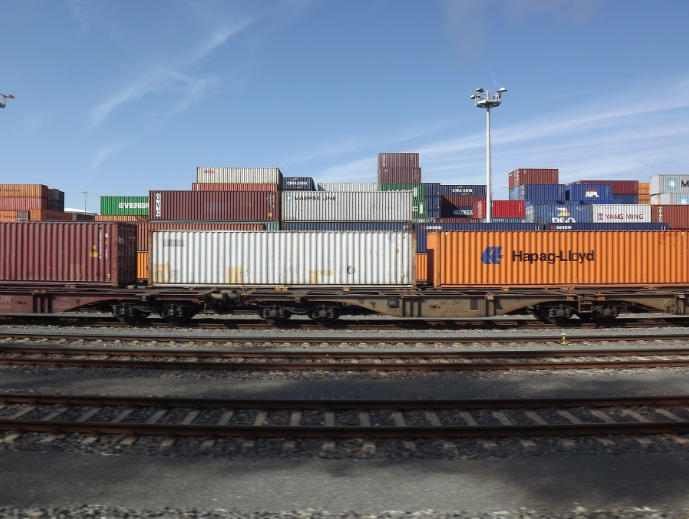
Rail freight became one of the most cost-effective transportation options as businesses searched for dependable and efficient ways to move goods across long distances. Companies recognised that rail shipping offered significant savings, reliable transit schedules, and the ability to transport large volumes of freight with fewer operational challenges. As supply chains evolved, many organisations relied on rail to improve efficiency while managing transportation expenses.
Businesses also discovered that combining rail with other freight solutions created greater flexibility for shipments of different sizes and destinations. Industry leaders, including King of Freight in Wichita, supported companies by helping them identify practical shipping strategies that aligned with changing logistics demands. Professionals such as Mike Ricklefs and Michael Ricklefs consistently emphasised the value of selecting transportation methods that balanced cost, reliability, and long-term operational success.
Why Rail Freight Became a Cost-Effective Transportation Option for Businesses
Businesses increasingly evaluated every aspect of their logistics operations to control costs while maintaining dependable delivery schedules. Rail freight became an attractive solution because it combined affordability with the ability to transport large quantities of cargo efficiently. Organisations that partnered with experienced providers, including King of Freight, often achieved better planning and smoother freight coordination across multiple shipping routes.
Lower Transportation Costs Improved Overall Logistics Budgets
Rail freight significantly reduced transportation costs because a single train carried large volumes of cargo that would otherwise require numerous trucks. This efficiency lowered fuel consumption, labour expenses, and operating costs across long-distance routes.
Many companies reported noticeable savings by incorporating rail into their shipping strategies. These savings allowed businesses to allocate more resources toward inventory management, customer service, and business growth without sacrificing delivery performance.
Large Freight Volumes Were Moved More Efficiently
Rail transportation enabled businesses to move substantial quantities of products in a single shipment. Industries dealing with heavy machinery, raw materials, consumer goods, and industrial equipment benefited from the increased carrying capacity.
Some of the major advantages included:
- Reduced cost per shipment
- Higher cargo capacity
- Fewer individual transport movements
- Better consistency for bulk deliveries
This efficiency made rail freight a practical solution for organisations managing large-scale supply chains.
Rail Freight Supported Reliable Long-Distance Shipping
Long-distance shipping often required dependable schedules and predictable transit times. Rail freight consistently met these expectations because dedicated rail networks reduced many of the delays commonly associated with road transportation. Businesses that worked with Wichita’s Freight company frequently integrated rail services into broader logistics plans to improve shipping performance.
Predictable Transit Times Increased Supply Chain Confidence
Reliable scheduling became one of the strongest advantages of rail transportation. Businesses experienced fewer unexpected disruptions, making inventory planning more accurate and customer expectations easier to manage.
Consistent delivery schedules also reduced the need for excessive warehouse stock, helping organisations lower storage costs while maintaining product availability throughout the supply chain.
Rail Reduced Wear on Road Transport Networks
Using rail for long-distance freight allowed businesses to minimise their dependence on highways for every shipment. Trucks continued handling local deliveries while trains transported freight over extended distances.
This balanced transportation approach provided several operational benefits:
- Better route planning
- Reduced road congestion
- Improved fleet utilisation
- Lower long-distance trucking expenses
These improvements contributed to greater efficiency across the entire logistics network.
Technology Improved Rail Freight Operations
As logistics technology advanced, rail freight became even more efficient through improved shipment visibility and better communication. Digital tools allowed businesses to monitor freight progress while making informed operational decisions. Ricklefs frequently discussed how technology supported smarter transportation planning and enhanced customer confidence.
Real-Time Tracking Improved Shipment Visibility
Modern tracking systems allowed logistics teams to monitor shipments throughout each stage of transportation. Businesses received timely updates that improved planning and helped address potential delays before they affected customers.
Improved shipment visibility also strengthened communication between logistics providers, carriers, and customers, resulting in smoother operations and better delivery coordination.
Better Data Supported Smarter Transportation Decisions
Logistics teams increasingly relied on transportation data to optimise routes, forecast shipping demand, and improve overall efficiency. Historical shipping information allowed businesses to make informed decisions regarding inventory movement and freight scheduling.
Key improvements included:
- Better route optimisation
- Improved shipment forecasting
- Enhanced inventory planning
- Faster operational decision-making
These advancements made rail freight an increasingly valuable component of modern supply chain management.
Rail Freight Enhanced Sustainability Without Sacrificing Efficiency
Many organisations sought transportation methods that balanced operational efficiency with responsible resource usage. Rail freight supported these objectives by moving larger cargo volumes using fewer transport resources. King of Freight in Wichita assisted businesses in evaluating transportation solutions that aligned with both operational and long-term business goals.
Fuel Efficiency Helped Reduce Operating Expenses
Because trains transported significantly more freight per journey than individual trucks, businesses experienced lower overall fuel consumption for many shipments. These operational efficiencies contributed to long-term cost reductions while maintaining dependable transportation performance.
Companies also benefited from more stable logistics budgets by reducing fuel-related operating fluctuations across large freight movements.
Combined Transportation Strategies Increased Flexibility
Rather than relying exclusively on one transportation method, many businesses combined rail with trucking services to create flexible logistics solutions. Rail managed long-distance transportation while trucks completed regional and final-mile deliveries.
This integrated strategy offered several advantages:
- Improved delivery flexibility
- Better freight planning
- Lower transportation costs
- Greater supply chain efficiency
Businesses discovered that combining multiple transportation modes produced stronger logistics performance than depending on a single shipping option.
Experienced Logistics Partners Maximised Rail Freight Benefits
Selecting the right logistics partner became just as important as choosing the transportation method itself. Experienced freight professionals helped businesses identify the most efficient shipping strategies based on cargo type, destination, and delivery schedules. King of Freight provided practical logistics expertise that supported companies seeking reliable freight management solutions.
Strategic Planning Reduced Shipping Challenges
Careful logistics planning minimised delays, improved route selection, and ensured freight moved efficiently throughout the transportation process. Businesses that invested in proactive planning often experienced smoother operations and stronger customer satisfaction.
Industry professionals, including Mike Ricklefs and Michael Ricklefs, recognised that successful freight management depended on balancing cost, reliability, and operational flexibility across every shipment.
Collaboration Improved Overall Freight Performance
Successful transportation relied on effective communication between shippers, carriers, and logistics providers. Coordinated planning reduced unnecessary delays and allowed businesses to respond quickly when shipping requirements changed.
Organisations benefited from collaborative logistics through:
- Improved shipment coordination
- Faster issue resolution
- Better customer communication
- Greater transportation efficiency
These collaborative efforts strengthened long-term supply chain performance and supported consistent business growth.
See also: What Company Secretarial Services Hong Kong Businesses Need to Know
Conclusion
Rail freight became a cost-effective transportation option because it combined affordability, dependable scheduling, large shipment capacity, and improved operational efficiency. Businesses reduced transportation costs while strengthening supply chain performance through better planning, advanced tracking technology, and integrated logistics strategies. The ability to move substantial freight volumes over long distances made rail an increasingly valuable part of modern transportation networks.
Companies that partnered with experienced logistics providers often achieved even greater value from rail shipping. King of Freight continued supporting organisations by helping them develop efficient transportation strategies tailored to their business needs. Whether working with Wichita’s Shipping operations or seeking guidance from Wichita’s Freight company, businesses recognised that thoughtful logistics planning and experienced professionals such as Ricklefs, Mike Ricklefs, and Michael Ricklefs contributed to long-term shipping success.