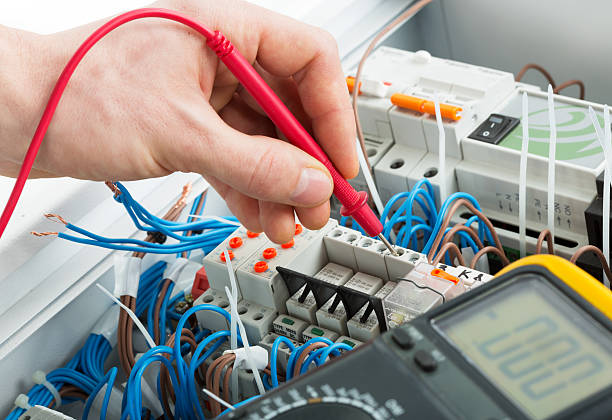
Electrical systems are an essential part of modern homes, offices, commercial buildings, and industrial facilities. From lighting and heating to appliances, security systems, and communication equipment, almost every aspect of daily life depends on a reliable supply of electricity. However, electrical problems can occur unexpectedly, and some situations require immediate professional attention. This is where emergency electrical repairs and services become important.
Emergency electrical services are designed to respond to urgent electrical problems that may create safety risks, cause significant property damage, or interrupt essential operations. Understanding when emergency electrical assistance is necessary, what services electricians provide, and how to respond safely can help homeowners and businesses handle electrical emergencies more effectively.
What Are Emergency Electrical Repairs?
Emergency electrical repairs involve the diagnosis and repair of electrical problems that cannot safely wait for a routine service appointment. These problems may occur at any time, including during nights, weekends, and holidays.
Common emergencies include sudden power failures, electrical sparks, burning smells, exposed wires, repeated circuit-breaker trips, damaged electrical outlets, and faults that cause lights or appliances to behave unusually. Some issues may appear minor but can indicate serious underlying electrical faults.
A qualified emergency electrician can assess the situation, identify the source of the problem, make the area safe, and perform appropriate repairs. In some cases, temporary repairs may be necessary until more extensive electrical work can be completed.
Common Electrical Emergencies
Several electrical problems are commonly considered emergencies. One of the most serious warning signs is a burning smell coming from an outlet, switch, electrical panel, or appliance. This may indicate overheating or damaged wiring and should not be ignored.
Sparks or smoke from an electrical outlet are also reasons to seek professional assistance. Similarly, exposed or damaged electrical wires can create a risk of electric shock, burns, or fire, particularly when children or pets are present.
Frequent circuit-breaker trips can also signal an electrical problem. Although a breaker may occasionally trip because of an overloaded circuit, repeated trips may indicate faulty wiring, damaged equipment, or another issue requiring professional investigation.
A complete or partial power failure may also require emergency attention, particularly if neighboring properties still have electricity. Problems affecting essential systems such as medical equipment, security systems, refrigeration, or business operations may be especially urgent.
Why Professional Electrical Services Are Important
Electricity can be extremely dangerous when handled incorrectly. Attempting to repair electrical wiring without the appropriate knowledge, training, and equipment can result in electric shock, fire, equipment damage, or serious injury.
Professional electricians are trained to understand electrical circuits, safety requirements, wiring systems, protective devices, and applicable regulations. They use specialized tools and testing equipment to identify faults rather than relying on guesswork.
A professional approach is particularly important because electrical problems are not always visible. A damaged wire inside a wall, loose connection, overloaded circuit, or deteriorating component may continue to create a hazard even when everything appears normal from the outside.
What Does an Emergency Electrician Do?
An emergency electrician generally begins by assessing the situation and identifying immediate safety risks. Depending on the problem, the electrician may inspect the electrical panel, test circuits, examine outlets and switches, or identify damaged wiring.
Once the source of the fault has been identified, the electrician can recommend an appropriate solution. Repairs may include replacing damaged components, correcting faulty connections, repairing wiring, addressing overloaded circuits, or replacing unsafe electrical equipment.
In certain situations, the electrician may determine that a complete repair cannot be safely completed immediately. In that case, they may isolate the affected circuit or provide a temporary solution while arranging further work.
The exact service depends on the nature and severity of the electrical problem.
How to Respond to an Electrical Emergency
The first priority during an electrical emergency should always be safety. If there is smoke, fire, a strong burning smell, or visible electrical arcing, people should move away from the affected area and contact the appropriate emergency services if necessary.
If it is safe to do so, the main electrical supply may be switched off. However, people should never touch exposed wires, damaged electrical equipment, or anything that may be energized.
Water should also be kept away from electrical equipment. Electrical fires should not be treated with water because water can conduct electricity and increase the risk of electrocution.
Most importantly, individuals should avoid attempting complex electrical repairs themselves. A qualified professional should handle electrical faults that require inspection, testing, or repair.
Choosing an Emergency Electrical Service
When selecting an emergency electrician, it is important to consider qualifications, experience, availability, and reputation. A reliable service should be able to explain the problem clearly and provide information about the proposed repair.
Customers should also ask about pricing before work begins when possible. Emergency services may have different rates depending on the time, location, and complexity of the job. Transparent communication can help prevent misunderstandings.
It is also useful to choose an electrician who follows appropriate electrical safety standards and local regulations. Proper documentation, licensing where required, and insurance can provide additional reassurance that the work will be carried out professionally.
Preventing Electrical Emergencies
Although not every electrical emergency can be prevented, regular maintenance can reduce the likelihood of serious problems. Homeowners and businesses should pay attention to warning signs such as flickering lights, unusual buzzing sounds, warm outlets, damaged cords, frequent breaker trips, or unexplained power interruptions.
Electrical equipment should be used according to the manufacturer’s instructions, and overloaded outlets should be avoided. Damaged cords and plugs should be replaced rather than repaired using unsafe temporary methods.
Periodic electrical inspections can also help identify problems before they become emergencies. Older buildings may benefit particularly from professional inspections because wiring and electrical components can deteriorate over time.
The Importance of Fast Response
Electrical emergencies can disrupt everyday life and potentially create serious safety hazards. A fast professional response can help identify the problem, reduce risks, and restore electrical service when possible.
For businesses, quick electrical repairs can also reduce downtime and prevent interruptions to essential operations. For homeowners, prompt assistance can help protect property, appliances, and family members from avoidable hazards.
However, speed should never come at the expense of safety. A qualified electrician should always prioritize isolating hazards and determining the correct cause of the problem before completing repairs.
See also: What Company Secretarial Services Hong Kong Businesses Need to Know
Conclusion
Emergency electrical repairs and services play an important role in maintaining electrical safety and reliability. Problems such as burning smells, sparks, exposed wiring, repeated circuit-breaker trips, and unexpected power failures should be taken seriously, especially when they present immediate safety concerns.
Professional electricians have the knowledge and equipment required to diagnose electrical faults and perform appropriate repairs safely. While individuals can take basic precautions during an emergency, complex electrical work should be left to trained professionals.
Regular inspections, responsible use of electrical equipment, and attention to warning signs can reduce the risk of emergencies. When an urgent electrical problem does occur, knowing when to seek professional assistance can make a significant difference in protecting people, property, and electrical systems.