Business growth brings exciting opportunities, but it also introduces new operational challenges. Higher order volumes, expanding product lines, and increasing customer expectations can quickly overwhelm traditional warehouse processes. This is where warehouse automation becomes a valuable long-term investment. Rather than simply improving efficiency today, scalable automation creates a foundation that supports future expansion without disrupting daily operations.
As businesses evolve, they need warehouse systems that can grow alongside them. From automated storage solutions to intelligent material handling systems, scalable technologies help organisations improve productivity while maintaining flexibility. Working with an experienced commercial construction company can also ensure that warehouse infrastructure is designed to accommodate automation now and in the future.
Understanding the Value of Scalable Warehouse Automation
Every growing business reaches a point where manual warehouse operations begin limiting performance. Scalable warehouse automation enables companies to gradually introduce advanced technologies while maintaining business continuity. Instead of replacing entire systems at once, businesses can expand automation in stages based on operational needs and growth objectives.
This approach reduces risk, controls investment costs, and ensures warehouses remain adaptable as market demands change.
See also: Understanding Emergency Electrical Repairs and Services
Supporting Business Growth Without Major Disruptions
Scalable warehouse automation allows organisations to increase capacity without rebuilding operations from scratch. As order volumes rise, additional automation components can be integrated into existing systems rather than replacing them entirely.
Businesses benefit from:
- Higher storage capacity
- Faster order processing
- Improved inventory accuracy
- Greater operational flexibility
- Reduced dependence on manual labour
This phased approach helps organisations maintain productivity while preparing for future expansion.
Improving Return on Investment Over Time
Large-scale infrastructure investments can be difficult to justify if future growth remains uncertain. Scalable automation addresses this concern by allowing businesses to invest gradually while achieving measurable improvements at each stage.
Instead of purchasing every solution upfront, organisations can prioritise automation where it delivers the greatest operational impact. Over time, these improvements contribute to lower operating costs, increased efficiency, and stronger long-term returns.
Designing Warehouses That Can Grow
Successful warehouse automation depends on more than installing equipment. The building itself must support evolving technologies, changing workflows, and future operational requirements. This is why warehouse design should always consider scalability from the earliest planning stages.
Partnering with a knowledgeable commercial construction company helps businesses create facilities that can accommodate automation upgrades with minimal disruption.
Flexible Facility Layouts Support Expansion
A flexible warehouse layout allows businesses to introduce new automation systems as operational needs evolve. Wide aisles, adaptable storage zones, and accessible utility infrastructure make future upgrades significantly easier.
Important design considerations include:
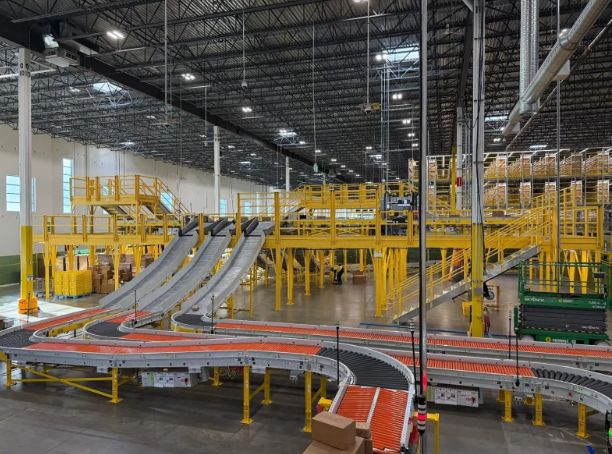
- Expandable conveyor pathways
- Modular storage systems
- Future equipment access
- Space for robotic technologies
- Scalable electrical infrastructure
These planning decisions reduce renovation costs while supporting continuous operational improvements.
Infrastructure That Supports Automation
Warehouse automation relies on reliable infrastructure, including power distribution, networking, and structural support. Buildings designed with automation in mind can accommodate future technologies without extensive reconstruction.
An experienced commercial construction company understands how to integrate these infrastructure requirements into new facilities or existing warehouse upgrades, helping businesses avoid costly modifications later.
Increasing Operational Efficiency Through Automation
As businesses expand, maintaining consistent productivity becomes increasingly challenging. Warehouse automation helps standardise processes, reduce errors, and improve overall operational performance. Scalable solutions allow companies to enhance efficiency without overwhelming employees or interrupting existing workflows.
The ability to automate repetitive tasks also enables staff to focus on activities that require problem-solving and customer service.
Faster Order Processing and Improved Accuracy
Automated systems reduce manual handling while improving the speed and accuracy of warehouse operations. Inventory tracking, order picking, and product movement become more consistent through intelligent technologies.
Benefits include:
- Reduced picking errors
- Faster shipping times
- Improved inventory visibility
- Better stock control
- Enhanced customer satisfaction
These improvements become increasingly valuable as businesses process larger volumes of orders.
Better Workforce Productivity
Warehouse automation does not eliminate the need for employees. Instead, it allows teams to focus on higher-value responsibilities by reducing repetitive manual tasks.
Employees spend less time searching for inventory, transporting products, or correcting errors. This improves job satisfaction while enabling businesses to achieve greater productivity without proportionally increasing staffing levels.
Preparing for Future Technology
Technology continues to evolve, making flexibility more important than ever. Businesses that invest in scalable warehouse automation position themselves to adopt new innovations without replacing existing systems.
Forward-thinking infrastructure allows organisations to respond quickly to changing customer expectations and industry developments.
Modular Automation Makes Future Upgrades Easier
Modern automation systems are increasingly modular, allowing businesses to expand capabilities as operational requirements change. Rather than implementing one large solution, organisations can introduce new technologies gradually.
Examples include:
- Additional conveyor sections
- Automated storage expansions
- Robotics integration
- Smart inventory tracking
- Advanced warehouse management software
This modular approach supports sustainable growth while protecting existing investments.
Data-Driven Decision Making
Warehouse automation generates valuable operational data that supports continuous improvement. Real-time insights help businesses identify bottlenecks, optimise workflows, and forecast future capacity requirements.
Accurate reporting also supports better planning for inventory management, staffing, maintenance, and expansion projects. As businesses grow, these insights become increasingly valuable for strategic decision-making.
Choosing the Right Implementation Strategy
Every warehouse has unique operational requirements. A successful automation strategy begins with understanding current workflows, future business goals, and facility limitations. Careful planning ensures automation investments deliver measurable value while remaining adaptable.
Working with experienced project specialists helps businesses develop practical implementation plans that align with long-term objectives.
Evaluate Current Operations Before Automating
Before investing in warehouse automation, organisations should assess existing processes to identify areas with the greatest improvement potential.
Key evaluation areas include:
- Inventory movement patterns
- Order fulfilment times
- Storage utilisation
- Labour-intensive processes
- Future growth forecasts
This assessment creates a roadmap for phased automation that delivers meaningful operational improvements.
Partner with Experienced Industry Specialists
Successful automation projects require collaboration between operational experts, engineers, and a commercial construction company capable of integrating building infrastructure with advanced warehouse technologies.
MTLI Group supports businesses through every stage of warehouse development, from planning and facility improvements to automation-ready infrastructure. This integrated approach helps reduce project complexity while supporting long-term operational success.
Conclusion
Scalable warehouse automation provides growing businesses with the flexibility to expand efficiently while maintaining productivity, accuracy, and operational control. Rather than investing in rigid systems that quickly become outdated, organisations benefit from adaptable technologies that evolve alongside their operations. Combined with thoughtful facility planning and strong infrastructure, automation becomes a strategic investment rather than simply an equipment upgrade.
Working with an experienced commercial construction company ensures warehouses are designed to support future automation, expansion, and changing business needs. By combining intelligent planning with scalable solutions, organisations can confidently prepare for long-term growth. MTLI Group helps businesses build automation-ready facilities that deliver lasting value, operational resilience, and the flexibility needed to succeed in an increasingly competitive marketplace.