Beyond addressing overfilling as an isolated event, understanding how to maintain appropriate drip chamber fill level consistently throughout an entire infusion period represents an important ongoing aspect of gravity-based IV therapy management. This overview covers the practical considerations involved in this ongoing monitoring responsibility.
The Target Fill Range for Normal Operation
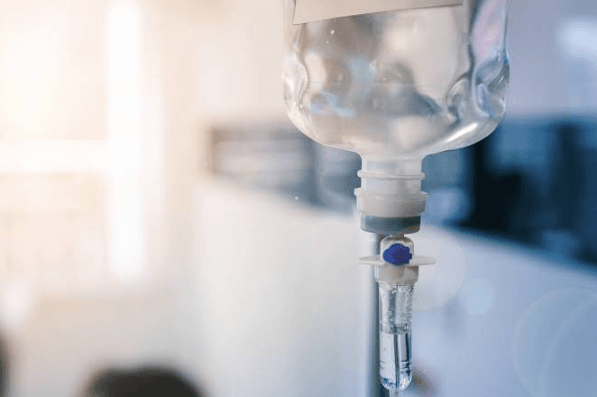
Most clinical guidance recommends maintaining drip chamber fill level somewhere between one-third and one-half full, a range that provides enough fluid to prevent air entry into the tubing below while still leaving sufficient visible space above the fluid line to clearly observe individual drop formation.
Why Fill Level Can Change Throughout an Infusion
Fill level isn’t necessarily static once established during initial priming, since factors like patient movement affecting tubing position, or gradual changes in fluid bag height relative to the chamber, can potentially affect fill level dynamics over the course of an extended infusion.
Incorporating Fill Level Checks Into Routine Monitoring
Experienced clinical staff typically incorporate a quick visual check of drip chamber fill level into their broader routine infusion monitoring, alongside checking flow rate and assessing the IV site itself, rather than treating chamber fill level as a separate, isolated concern.
Recognizing Gradual Underfilling as an Opposite Concern
While this discussion has focused primarily on overfilling, staff should also remain alert to gradual underfilling, since a chamber allowed to run too low on fluid risks allowing air to enter the tubing below, representing an opposite but similarly important concern.
Adjusting Fill Level During Ongoing Monitoring
If routine monitoring reveals fill level has drifted outside the appropriate range in either direction, staff can typically make minor corrective adjustments without needing to treat this as a major equipment failure, provided the adjustment technique avoids introducing air or otherwise compromising the infusion.
Building This Monitoring Habit Into Clinical Practice
Incorporating consistent drip chamber fill level awareness into routine nursing practice, alongside other standard infusion monitoring tasks, helps ensure this component continues functioning appropriately throughout the entire duration of a patient’s fluid therapy.
Reinforcing Ongoing Monitoring Best Practices
For additional guidance on maintaining appropriate chamber function throughout an infusion, reviewing information on the drip chamber and ongoing monitoring best practices helps support consistent, safe clinical practice.
Frequently Asked Questions
What is the generally recommended fill range for a drip chamber during normal operation? Most clinical guidance recommends maintaining fill level somewhere between one-third and one-half full, balancing air prevention against maintaining clear visibility for drop counting.
Can drip chamber fill level change during an infusion even after correct initial priming? Yes, factors like patient movement affecting tubing position or gradual changes in fluid bag height can potentially affect fill level dynamics over the course of an extended infusion.
See also: Hookah Tobacco Packing Machine: Complete Automated Solutions for Efficient Shisha Packaging
What opposite concern to overfilling should staff also watch for? Staff should remain alert to gradual underfilling, since a chamber allowed to run too low on fluid risks allowing air to enter the tubing below, representing an equally important concern.
Final Thoughts
Maintaining appropriate drip chamber fill level throughout an entire infusion, rather than only during initial setup, represents an important ongoing responsibility within comprehensive IV therapy monitoring. Building this awareness into routine clinical practice helps support safe, effective fluid administration from start to finish.