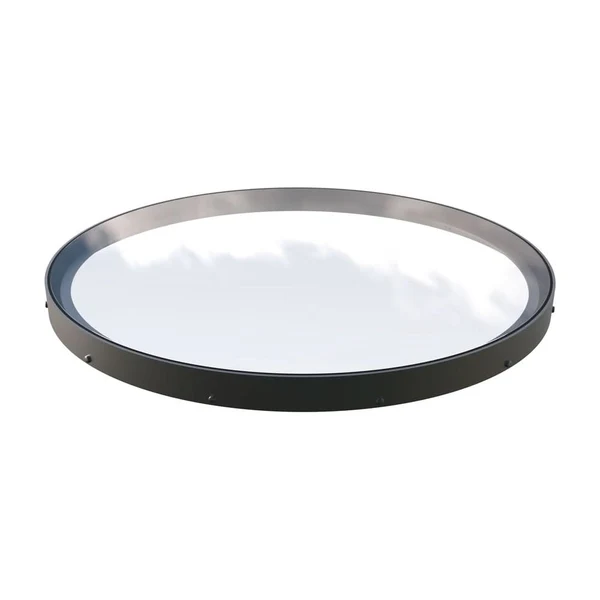
Commercial skylights are becoming an increasingly popular feature in modern roof projects, offering an effective way to introduce natural daylight into offices, warehouses, retail spaces, industrial buildings and other commercial environments. For businesses looking to create brighter and more comfortable interiors without significantly increasing construction costs, affordable commercial skylight windows can provide a practical solution.
Modern skylights are available in a wide range of sizes, glazing options, designs and performance levels. This makes it possible to select a solution that complements the architectural style of a building while meeting requirements for daylight, ventilation, thermal performance and durability. For commercial projects, choosing the right skylight is particularly important because the product must often withstand frequent use, changing weather conditions and demanding building requirements.
What Are Commercial Skylight Windows?
Commercial skylight windows are glazed roof openings designed to allow natural light to enter a building from above. They can be installed on different types of commercial roofs, including flat, low-pitched and pitched roof systems, depending on the product and construction requirements.
Unlike traditional vertical windows, skylights receive daylight from the sky, making them particularly useful for large commercial spaces where wall windows may not provide sufficient illumination. They can help distribute daylight across areas located away from external walls, improving the overall brightness of the interior.
Modern commercial skylights can be fixed or opening. Fixed skylights are primarily designed for daylight, while opening systems can provide additional ventilation. Some advanced products may also incorporate automated controls, blinds or solar-control glazing.
Why Choose Affordable Skylights for Commercial Buildings?
Cost is an important consideration for commercial construction and renovation projects. However, affordability should not mean compromising on quality or performance.
A well-selected commercial skylight can offer several potential benefits:
- Increased natural daylight
- Reduced dependence on artificial lighting
- Improved visual comfort
- Better interior aesthetics
- Potential ventilation benefits with opening models
- Modern architectural appearance
- Flexible design options
- Long-term value when correctly installed
Natural daylight can make commercial environments feel more open and inviting. In offices, shops and public spaces, a brighter environment may also contribute to a more pleasant experience for employees, customers and visitors.
For warehouses and industrial buildings, skylights can be especially useful because large floor areas may otherwise require extensive artificial lighting during daytime hours.
Energy Efficiency and Commercial Skylights
Energy efficiency should be one of the main considerations when selecting skylights for a modern roof project. The glazing, frame, seals and installation details can all influence the thermal performance of the finished system.
One important specification is the U-value, which indicates the rate at which heat passes through a building element. Generally, a lower U-value means better insulation.
However, buyers should check whether the stated U-value refers to the glazing alone or the complete skylight assembly. Whole-product performance provides a more useful indication of how the finished skylight will perform.
Solar heat gain is another factor to consider. Large areas of roof glazing can allow significant sunlight into a building. Depending on the location, orientation and building use, this may be beneficial during colder periods but could contribute to overheating during warmer weather.
Solar-control glazing, external shading and suitable ventilation can help manage these effects.
Skylights for Offices and Commercial Workspaces
Modern offices often prioritise daylight, employee comfort and attractive interior design. Commercial skylights can help create brighter workspaces while reducing reliance on artificial illumination during daylight hours.
For offices with deep floor plans, roof glazing can bring daylight into areas that may be too far from conventional windows. Designers can use skylights strategically over circulation spaces, breakout areas, meeting rooms or shared workspaces.
When specifying skylights for an office, it is important to consider glare as well as brightness. Direct sunlight on computer screens can create discomfort and reduce visibility. Appropriate glazing and shading strategies can help achieve a better balance.
Skylights for Warehouses and Industrial Buildings
Warehouses frequently have large roof areas and relatively limited wall glazing. This makes skylights a practical option for introducing daylight into the building.
By distributing natural light across the warehouse floor, skylights can potentially reduce the amount of artificial lighting required during working hours. This can be particularly valuable in facilities that operate for long periods each day.
Durability is an important consideration for industrial applications. The skylight should be appropriate for the roof system and capable of dealing with the environmental conditions expected at the site.
For industrial buildings, safety and maintenance access should also be considered during the design stage.
Commercial Skylights for Retail Spaces
Retail environments depend heavily on presentation and atmosphere. Natural light can create an attractive shopping environment and highlight products, architectural details and interior finishes.
Skylights can be used as architectural features as well as practical sources of daylight. For example, a designer may incorporate roof glazing above a central display area, entrance space or customer seating area.
However, retail projects should carefully consider solar gain and glare. Excessive direct sunlight can affect merchandise, customer comfort and indoor temperatures. The appropriate glazing specification can help manage these issues.
Choosing the Right Skylight Design
Commercial skylights are available in many different configurations. The best choice depends on the roof construction, building use and project budget.
Fixed Skylights
Fixed skylights are designed primarily to provide natural daylight. They are often a straightforward option for spaces where mechanical or wall-based ventilation is already available.
Opening Skylights
Opening skylights can provide daylight while also allowing fresh air into the building. They can be manually operated or connected to automated controls depending on the project.
Flat Roof Skylights
Flat roof skylights are commonly used in contemporary commercial architecture. Their clean appearance makes them suitable for offices, extensions, retail units and other modern structures.
Large-Format Skylights
Large skylights can create dramatic architectural effects and deliver substantial amounts of daylight. However, they require careful structural, thermal and solar-control planning.
What Makes a Commercial Skylight Affordable?
The initial purchase price is only one part of the overall cost. A genuinely affordable skylight should offer a reasonable balance between purchase price, installation requirements, energy performance, maintenance and expected lifespan.
When comparing products, consider:
Product cost: Compare similar specifications rather than choosing purely based on the lowest price.
Installation cost: Some systems may require additional flashing, kerbs, structural alterations or specialist installation.
Energy performance: A better-performing skylight may help reduce operational energy requirements over time.
Maintenance: Consider how easily the glazing, frame and opening mechanisms can be inspected and maintained.
Durability: Commercial buildings can place greater demands on roof products than residential properties.
Warranty: Review the manufacturer’s warranty and understand any installation conditions.
Installation Matters
Even a high-quality commercial skylight can underperform if it is poorly installed. The roof opening must be properly integrated with the surrounding structure, insulation and waterproofing system.
Incorrect installation can result in water leakage, air infiltration, thermal bridging and premature product failure. For this reason, commercial projects should use experienced installers who understand both the skylight product and the roof system.
The manufacturer’s installation instructions should always be followed. Structural requirements should also be assessed before creating or enlarging an opening in an existing roof.
Safety and Building Requirements
Commercial roof projects may have additional safety and regulatory requirements compared with residential applications. Depending on the building type and location, considerations may include structural loading, fire performance, impact resistance, fall protection, ventilation and thermal efficiency.
The specific requirements vary by jurisdiction and project type. Architects, engineers, contractors and building-control professionals should therefore be involved where necessary.
Safety glazing may also be appropriate in locations where there is a risk of impact or where broken glass could present a hazard.
How to Compare Commercial Skylights
Businesses can make the selection process easier by creating a list of project requirements before purchasing.
Consider the following questions:
- What type of roof will the skylight be installed into?
- Is the roof flat or pitched?
- How much daylight does the space require?
- Is ventilation required?
- What level of thermal performance is needed?
- Could solar gain or glare become an issue?
- What size and shape of skylight will work with the roof structure?
- What maintenance will be required?
- What is the total installed cost?
- Does the product meet applicable building and safety requirements?
Answering these questions can help narrow down the available options and prevent businesses from selecting a product based solely on appearance or price.
The Long-Term Value of Commercial Skylights
The value of a skylight should be considered over the entire life of the building rather than only at the point of purchase.
A well-designed system can improve daylight availability and contribute to the architectural quality of a commercial space. In suitable buildings, reducing daytime dependence on electric lighting may also contribute to lower operational energy consumption.
At the same time, poor product selection can create problems such as excessive heat gain, glare, condensation or maintenance difficulties. This is why professional design and careful product comparison are important.
The most affordable solution is not necessarily the cheapest product available. Instead, businesses should look for a skylight that provides the right combination of price, performance, durability and installation practicality.
See also: What Company Secretarial Services Hong Kong Businesses Need to Know
Conclusion
Affordable commercial skylight windows can be an excellent choice for modern roof projects, offering a practical combination of natural daylight, architectural appeal and potential energy benefits. From offices and warehouses to retail units and industrial facilities, skylights can transform large or poorly lit interiors.
The right product should be selected according to the building’s roof structure, intended use, climate, daylight requirements, thermal performance and budget. Businesses should also consider installation, maintenance, safety and applicable building requirements before making a final decision.
By focusing on long-term performance rather than simply the lowest purchase price, commercial property owners and project managers can invest in skylights that provide lasting value while creating brighter, more attractive and functional spaces.