A beautiful lawn can completely change the character of an outdoor property. It creates a welcoming setting around a home or commercial building, provides a comfortable area for recreation, and gives the entire landscape a more polished appearance. However, achieving a healthy, attractive lawn requires more than simply spreading grass seed or installing rolls of turf. Proper preparation, soil evaluation, drainage, installation techniques, and ongoing care all contribute to long-term results.
Reliable lawn installation in Sydney contractors bring the experience and practical knowledge needed to turn an underdeveloped or worn outdoor area into a vibrant landscape. By evaluating the property and selecting an appropriate lawn solution, professional contractors can create outdoor spaces that are attractive, functional, and easier to maintain.
Whether you are developing a new landscape, replacing an unhealthy lawn, or upgrading an outdoor property before selling it, professional lawn installation can provide a noticeable transformation.
Why Professional Lawn Installation Matters
A successful lawn begins beneath the grass. Soil quality, grading, sunlight, drainage, and preparation all influence how well grass establishes itself. If these factors are ignored, even high-quality turf or seed may struggle to produce consistent growth.
Professional lawn installation contractors understand that each property has different conditions. Instead of using the same approach everywhere, they can assess the site and develop an installation strategy suited to the landscape.
Establishing a Strong Foundation
Soil preparation is one of the most important parts of lawn installation. Compacted, nutrient-poor, uneven, or poorly drained soil can prevent healthy root development.
Preparing the soil before installation can improve the growing environment and provide grass with a better opportunity to establish strong roots.
Creating a Uniform Appearance
Professional installation can also help produce a more consistent lawn. Proper preparation and accurate installation reduce visible gaps, uneven areas, and inconsistent growth.
A uniform lawn creates a cleaner appearance and provides a strong foundation for future landscape improvements.
Choosing the Right Lawn Installation Method
There are several approaches to establishing a lawn. The best option depends on the property, desired timeline, budget, grass variety, and environmental conditions.
Sod Installation
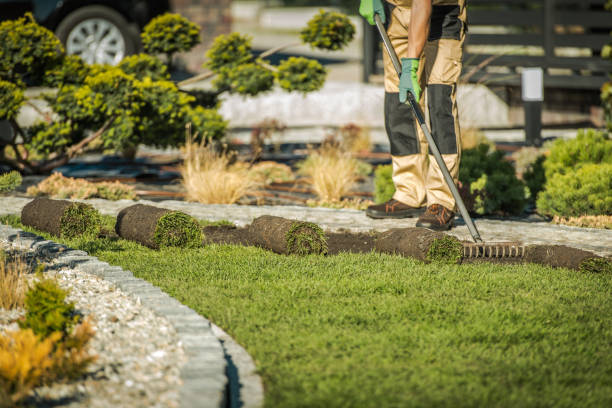
Sod provides an established layer of grass that can create an immediate visual transformation. It is particularly useful for homeowners who want a finished-looking lawn without waiting for seed to germinate and develop.
Professional sod installation involves preparing the soil, positioning the sections correctly, creating tight seams, and ensuring appropriate contact between the sod and soil.
Seed-Based Lawn Installation
Seeding can provide flexibility when establishing larger areas or selecting grass varieties suited to specific conditions. However, seeded lawns require patience and consistent care during the establishment period.
Professionals can help determine appropriate seed varieties, prepare the soil, distribute seed evenly, and recommend watering practices that support germination and early growth.
Preparing the Property for a Healthy Lawn
Installation should not begin until the site is properly prepared. Skipping this stage can create problems that become difficult to correct after the grass has been installed.
Clearing and Grading the Area
Existing weeds, unwanted vegetation, debris, and unsuitable materials may need to be removed before installation. The ground can then be shaped to create appropriate elevations and slopes.
Proper grading helps establish a more even lawn while supporting drainage and reducing areas where water may collect.
Improving the Soil
Different properties may have different soil conditions. Some may contain heavy clay, excessive sand, compacted material, or low levels of organic matter.
Depending on the site’s needs, soil amendments or other preparation techniques may help create a more suitable growing environment.
Selecting Grass for Local Conditions
Not every grass type performs equally well in every environment. Sunlight, temperature, rainfall, soil characteristics, foot traffic, and maintenance expectations can all influence the appropriate selection.
Considering Sunlight and Shade
Some lawn varieties perform best in direct sunlight, while others tolerate partial shade more effectively. Properties with mature trees or buildings that block sunlight may require a grass variety selected specifically for those conditions.
Choosing a lawn suited to the available light can help produce more consistent growth.
Planning for Foot Traffic
A lawn used frequently by children, pets, guests, or recreational activities may need a more durable grass variety. Areas with limited foot traffic may allow for other characteristics to take priority.
Considering how the lawn will actually be used helps homeowners make a more practical selection.
Creating Better Drainage and Grading
Water management is an essential part of lawn installation. Excess moisture can damage grass roots, encourage certain lawn problems, and create muddy areas. Insufficient moisture retention can create a different set of challenges.
Directing Water Away From Problem Areas
Proper grading can help guide water toward appropriate drainage areas. The objective is to avoid prolonged pooling while ensuring that the lawn receives adequate moisture.
A professional site assessment can identify low spots and other areas that may require correction before installation.
Addressing Existing Drainage Challenges
Some properties may require more than surface grading. Depending on the site, additional drainage solutions may be appropriate.
Addressing drainage during installation is often more effective than waiting until recurring lawn problems appear.
Professional Sod Installation Techniques
When sod is selected, proper installation can influence how quickly the lawn establishes.
Creating Tight Seams
Sod sections should be positioned carefully so that gaps are minimized. Staggering seams can also help create a more natural and stable installation.
Careful placement reduces the appearance of lines and helps individual pieces establish into a more cohesive lawn.
Ensuring Good Soil Contact
Roots need contact with the prepared soil to establish properly. Professional installation focuses on positioning the sod evenly and helping it make consistent contact with the underlying surface.
The initial watering and establishment period are also important for helping the new lawn transition successfully.
Designing a Lawn That Complements the Landscape
A lawn does not exist independently from the rest of the property. Its size, shape, borders, and placement can influence the overall landscape design.
Defining Lawn Boundaries
Clean lawn edges can create a more finished appearance. Borders around planting beds, walkways, patios, and other features can help define different areas of the landscape.
Well-planned boundaries also make mowing and maintenance more manageable.
Combining Grass With Other Landscape Features
A new lawn can serve as the foundation for a broader outdoor transformation. Trees, shrubs, flower beds, pathways, seating areas, fences, and outdoor structures can be arranged around the lawn to create a balanced landscape.
The goal is to create an outdoor environment where individual features complement one another.
Lawn Installation for Different Property Types
Professional lawn installation can benefit a variety of properties.
Residential Lawns
For homeowners, a new lawn can improve curb appeal and create more usable outdoor space. A healthy lawn can provide a setting for family activities, gatherings, gardening, and relaxation.
Commercial and Community Properties
Commercial buildings, offices, residential developments, and community spaces can also benefit from professional lawn installation. Well-maintained green areas can contribute to a cleaner and more welcoming property appearance.
In commercial environments, lawn design may also need to account for higher foot traffic and maintenance requirements.
Supporting Long-Term Lawn Health
Installation is only the beginning. Newly established grass needs appropriate care to develop a strong root system and maintain its appearance.
Watering the New Lawn
Watering requirements depend on the grass variety, weather, soil, and installation method. New lawns generally require careful attention during the establishment period.
Overwatering can be just as problematic as underwatering, so watering practices should be adjusted according to site conditions.
Mowing at the Appropriate Time
A newly installed lawn should be allowed to establish sufficiently before regular mowing begins. Cutting too early or removing too much grass at once can place unnecessary stress on developing plants.
Following appropriate mowing practices can help maintain a healthier and more attractive lawn.
Ongoing Maintenance
Fertilization, weed management, aeration, seasonal care, and irrigation management may all contribute to long-term lawn quality.
A consistent maintenance routine helps protect the investment made during installation and keeps the outdoor space looking its best.
See also: What Company Secretarial Services Hong Kong Businesses Need to Know
Choosing a Reliable Lawn Installation Contractor
The contractor you choose can significantly influence the quality of the finished landscape. Look for professionals who understand local growing conditions, offer clear project information, and demonstrate experience with similar properties.
Reviewing Experience and Services
A contractor with experience in both lawn installation and broader landscape preparation may be able to address issues that extend beyond the grass itself.
Ask about soil preparation, grading, drainage, grass selection, installation methods, and post-installation recommendations.
Prioritizing Clear Communication
Reliable communication helps homeowners understand what will happen before, during, and after installation. A professional contractor should be willing to explain the process, expected timeline, site preparation requirements, and care instructions.
Clear communication can make the project more predictable and help avoid misunderstandings.
Creating an Outdoor Space With Lasting Appeal
A lawn can be one of the most visually prominent elements of a landscape. When properly installed, it provides a clean green foundation that can enhance everything around it.
A successful lawn installation is therefore not simply about covering bare ground with grass. It is about creating the conditions for healthy growth while integrating the lawn into the broader design of the property.
Professional planning can help homeowners avoid common installation problems and achieve a landscape that remains attractive through changing seasons.
Conclusion
Reliable lawn installation contractors can turn an ordinary outdoor area into a vibrant, functional, and welcoming landscape. From soil preparation and grading to grass selection, sod placement, drainage planning, and establishment care, each stage plays an important role in achieving lasting results.
A professionally installed lawn can enhance curb appeal, create usable outdoor space, and provide a strong foundation for additional landscaping. By choosing grass suited to local conditions and the property’s specific needs, homeowners can also create a landscape that is easier to maintain over time.
Whether you are installing a lawn for a newly developed property, replacing an aging landscape, or simply looking to improve your outdoor environment, professional installation can make the process more efficient and the results more dependable. With careful preparation, quality materials, skilled workmanship, and appropriate ongoing care, a new lawn can become a defining feature of a beautiful outdoor transformation for years to come.