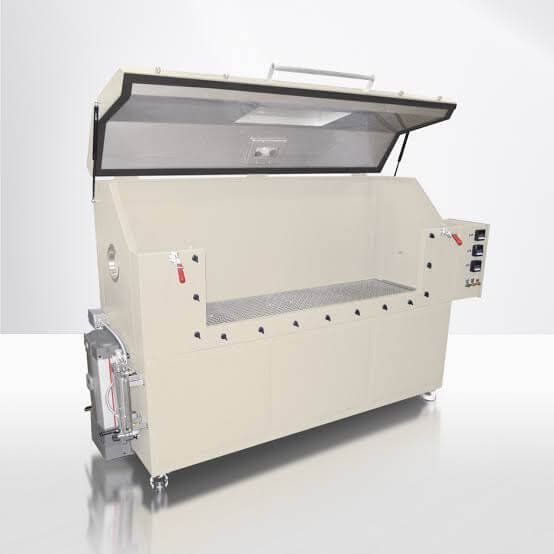
For those unfamiliar with the process, understanding what actually occurs during a dust test chamber cycle demystifies a testing process that can otherwise seem opaque. This guide walks through the full process step by step.
Before Testing Begins
Technicians prepare the test specimen according to protocol requirements, which may include specific mounting orientation, sealing of unrelated openings, or connection to a vacuum system if the standard requires internal negative pressure.
See Also: How Integrating Pharmaceutical Distribution Software Reduces Lead Times
Establishing Test Conditions
Once the specimen is properly positioned, the chamber generates and circulates the specified dust concentration throughout the interior volume, with air circulation systems ensuring even distribution around the entire specimen surface.
Maintaining Consistent Exposure
Throughout the specified test duration, the chamber continuously monitors and adjusts dust concentration and circulation to maintain consistent exposure conditions, since fluctuations could compromise the validity of results.
Concluding the Test Cycle
Once the specified duration is reached, dust circulation stops, and technicians carefully remove the specimen, taking care not to disturb any dust that may have settled on or within the product before inspection.
Post-Test Inspection
Technicians open the specimen according to protocol and visually inspect for any dust ingress, documenting findings against the specific pass/fail criteria defined by the relevant testing standard.
For a closer look at chamber equipment designed for this complete testing process, LIB Industry ip dust test chamber offers additional technical detail worth reviewing.
Why Each Step Matters for Result Validity
Skipping or rushing any step in this process, from specimen preparation through post-test inspection, can compromise result reliability, making consistent adherence to protocol essential throughout.
Training New Technicians on the Full Process
New lab technicians benefit significantly from observing and practicing the complete process under supervision before running tests independently, since hands-on familiarity builds confidence and consistency faster than reading protocol documentation alone.
Frequently Asked Questions
How long does a typical dust ingress test cycle last? Duration varies significantly by testing standard and target IP rating, ranging from a few hours to considerably longer for more demanding protection ratings.
Why is careful specimen handling important after the dust exposure cycle? Disturbing settled dust during removal or inspection could either falsely indicate ingress or mask genuine ingress, compromising result accuracy.
What happens if dust concentration fluctuates during testing? Significant fluctuations outside specified parameters can invalidate test results, requiring the test to be restarted under properly controlled conditions.
Final Thoughts
Understanding the full process inside a dust test chamber, from specimen preparation through final inspection, highlights just how much careful, consistent technique goes into producing genuinely reliable ingress testing results.