Commercial landlords have several leasing structures available when renting out their properties, but few are as popular among investors as the triple net lease. Known as an NNN lease, this arrangement can provide predictable income while reducing many of the ongoing responsibilities associated with property ownership. For landlords considering commercial real estate investments, understanding what is a triple net lease and how it works is essential.
This guide explores the , explains the components of a triple net lease agreement, and highlights the advantages and challenges landlords should consider before choosing this leasing structure.
What Is a Triple Net Lease?
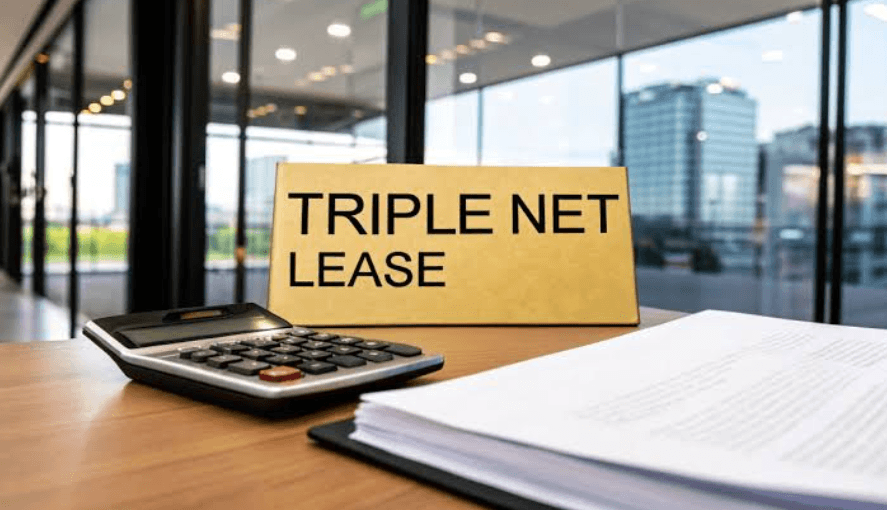
One of the most common questions among commercial property owners is, “What is a triple net lease?” A triple net lease is a commercial rental agreement in which the tenant pays not only rent but also three major property-related expenses: property taxes, building insurance, and maintenance costs.
The term “triple net” refers to these three financial obligations. Instead of the landlord covering these expenses, the tenant assumes responsibility for them in addition to paying base rent.
Triple net leases are frequently used for retail properties, office buildings, restaurants, convenience stores, pharmacies, and industrial facilities. Many large businesses favor NNN leases because they provide greater operational control over the property.
Understanding the Triple Net Lease Meaning
To understand the triple net lease meaning, it is helpful to compare it with a traditional gross lease.
Under a gross lease, tenants pay a fixed rental amount while the landlord handles taxes, insurance, maintenance, and many other operating expenses. This structure places most financial responsibility on the property owner.
A triple net lease shifts much of that burden to the tenant. In most cases, tenants pay:
- Base rent
- Property taxes
- Property insurance premiums
- Maintenance and repair expenses
Additional costs may include utilities, landscaping, snow removal, common area maintenance, and parking lot upkeep, depending on the terms of the lease.
The triple net lease meaning essentially involves transferring many property operating expenses from the landlord to the tenant, creating a more predictable financial arrangement for the property owner.
Key Components of a Triple Net Lease Agreement
A well-drafted triple net lease agreement clearly outlines the responsibilities of both the landlord and tenant. Because commercial properties vary significantly, lease terms can differ from one agreement to another.
Base Rent
The tenant pays a fixed rental amount for occupying the property. Since the tenant assumes additional operating costs, base rent under a triple net lease is often lower than it would be under a gross lease.
Property Taxes
The lease should specify how property taxes will be paid. Some agreements require tenants to reimburse the landlord, while others require tenants to pay taxes directly.
Insurance Obligations
Tenants are typically responsible for building insurance costs and may also be required to carry liability insurance. The lease should clearly state coverage requirements and proof-of-insurance obligations.
Maintenance Responsibilities
One of the defining characteristics of a triple net lease agreement is the tenant’s responsibility for maintenance. This may include routine repairs, landscaping, HVAC servicing, parking lot maintenance, and building upkeep.
Clearly defining maintenance obligations helps prevent disputes and ensures the property remains in good condition throughout the lease term.
Benefits of Triple Net Leasing for Landlords
Triple net leases offer several advantages that make them attractive to commercial property owners.
Reduced Operating Expenses
Because tenants cover taxes, insurance, and maintenance, landlords can significantly reduce their ongoing property expenses.
More Predictable Income
One of the biggest benefits of NNN leasing is financial predictability. Since many variable expenses are passed to tenants, landlords can more accurately forecast cash flow and investment returns.
See also: Boost Your Communication Skills With Better Email Writing
Less Day-to-Day Management
Triple net properties often require less hands-on management. Tenants handle many maintenance responsibilities, reducing the time landlords spend coordinating repairs and overseeing property operations.
Long-Term Stability
Commercial triple net leases frequently span 10, 15, or even 20 years. These longer lease terms can provide stable occupancy and reduce turnover-related costs.
Potential Drawbacks of Triple Net Leasing
Although NNN leases offer numerous benefits, landlords should be aware of the potential downsides.
Tenant Quality Is Critical
Because tenants assume major financial responsibilities, selecting financially stable tenants is essential. A struggling tenant may fail to maintain the property or meet payment obligations.
Vacancies Can Be Costly
If a commercial tenant leaves, finding a replacement may take time, especially for specialized properties. During vacancies, landlords may once again become responsible for taxes, insurance, and maintenance expenses.
Limited Control Over Property Maintenance
While reduced management can be beneficial, landlords may have less direct oversight of maintenance decisions. Regular inspections can help ensure tenants fulfill their obligations properly.
Tips for Landlords Considering Triple Net Leases
Before entering into a triple net lease agreement, landlords should conduct thorough due diligence. Evaluate the tenant’s financial strength, review business history, and verify the tenant’s ability to manage ongoing expenses.
Additionally, work with a qualified real estate attorney to draft a comprehensive lease. Clear language regarding taxes, insurance, repairs, and maintenance responsibilities can help avoid future disputes and protect both parties.
Finally, establish a system for monitoring property conditions throughout the lease term. Even when tenants handle maintenance, landlords should periodically inspect the property to preserve its long-term value.
Conclusion
For commercial property owners seeking a more passive investment approach, triple net leasing can be an effective strategy. Understanding what is a triple net lease and the broader triple net lease meaning helps landlords evaluate whether this structure aligns with their financial goals. A carefully drafted triple net lease agreement can reduce operating expenses, simplify property management, and provide long-term income stability. By selecting qualified tenants and clearly defining responsibilities, landlords can maximize the benefits of NNN leasing while minimizing potential risks.