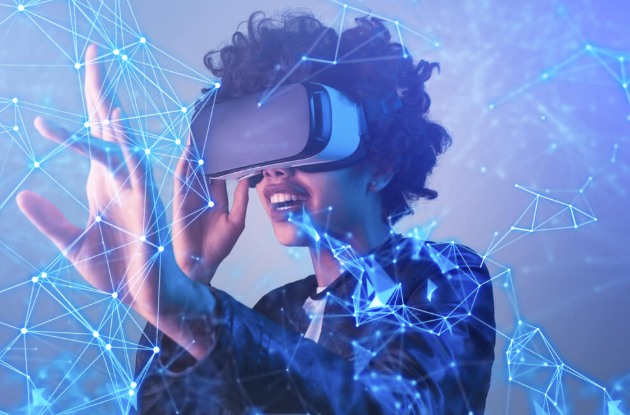
The application of virtual reality in gaming has transformed how players interact with digital environments. By providing immersive gameplay experiences, VR allows users to engage in ways previously thought impossible. This technology not only enhances social interactions but also introduces innovative storytelling techniques that empower player agency. As the gaming landscape evolves, the implications of these advancements raise important questions about the future of player engagement and narrative development. What new dimensions might emerge next?
Immersive Gameplay Experiences
As virtual reality technology continues to evolve, it transforms the landscape of gaming by creating immersive gameplay experiences that deeply engage players.
These experiences are characterized by realistic environments that enhance player perspectives, allowing individuals to explore vast worlds and interact with their surroundings in unprecedented ways.
This level of immersion fosters a sense of freedom, enabling players to lose themselves in their virtual adventures.
Enhanced Social Interactions
Numerous advancements in virtual reality (VR) technology have significantly enhanced social interactions within gaming environments.
Players can engage in virtual meetups, fostering a sense of community that transcends geographical boundaries. Collaborative gaming experiences allow individuals to strategize and compete together, enriching the social fabric of the gaming world.
This evolution not only enhances player engagement but also promotes lasting friendships and shared experiences.
Innovative Storytelling Techniques
Immersing players in richly crafted narratives, innovative storytelling techniques in virtual reality (VR) are revolutionizing the gaming experience.
Through advanced narrative design, developers create dynamic plots that adapt to player choices, enhancing player agency. This interactive storytelling fosters emotional connections and deeper engagement, allowing players to influence outcomes and explore diverse narratives.
Ultimately, this transformation turns traditional gaming into a more immersive, participatory adventure.
See also: Applications of Quantum Computing
Training and Simulation Applications
The advancements in virtual reality extend beyond entertainment, finding significant applications in training and simulation across various industries.
By creating realistic environments, VR enhances skill development, allowing individuals to practice in safe, controlled settings. This immersive technology fosters learning and retention, empowering users to refine their abilities effectively.
Industries such as healthcare, aviation, and military training leverage VR to enhance performance and decision-making skills.
Conclusion
In the grand theater of virtual reality gaming, players don the masks of their choosing, stepping into vibrant realms where every interaction is a brushstroke on an evolving canvas. Like skilled artisans, they weave narratives through their choices, shaping destinies amidst a tapestry of immersive landscapes. As friendships blossom and rivalries ignite, the stage transforms into a social agora, where connections flourish. Thus, VR stands as a modern alchemist, turning pixels into profound experiences that resonate long after the curtain falls.